Solar Eclipse Golden Age 2026–2028 Begins
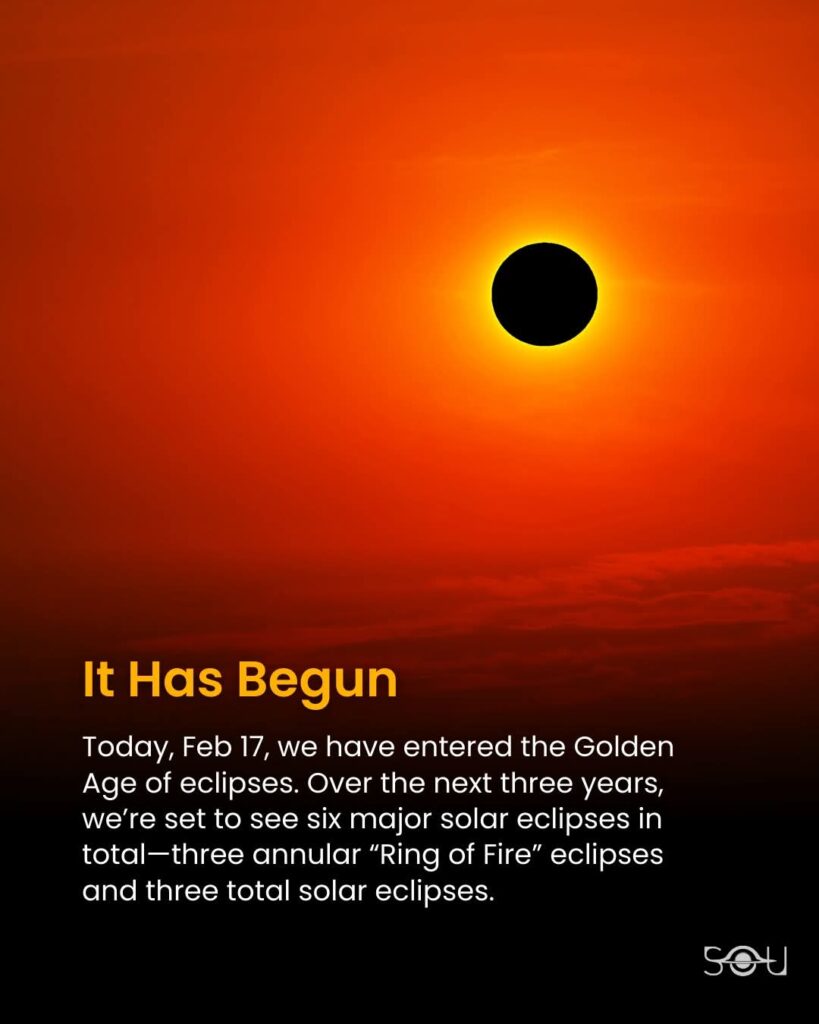
From 2026 to 2028, the world will witness a rare run of six solar eclipses. Three annular eclipses. Three total solar eclipses. Astronomers call it a solar eclipse golden age. This rare alignment is driven by overlapping Saros cycles. A Saros cycle is an 18-year pattern that predicts when eclipses repeat. When several cycles peak together, we get back-to-back major eclipses. Let’s break it down clearly.
Annular Solar Eclipses (Ring of Fire)
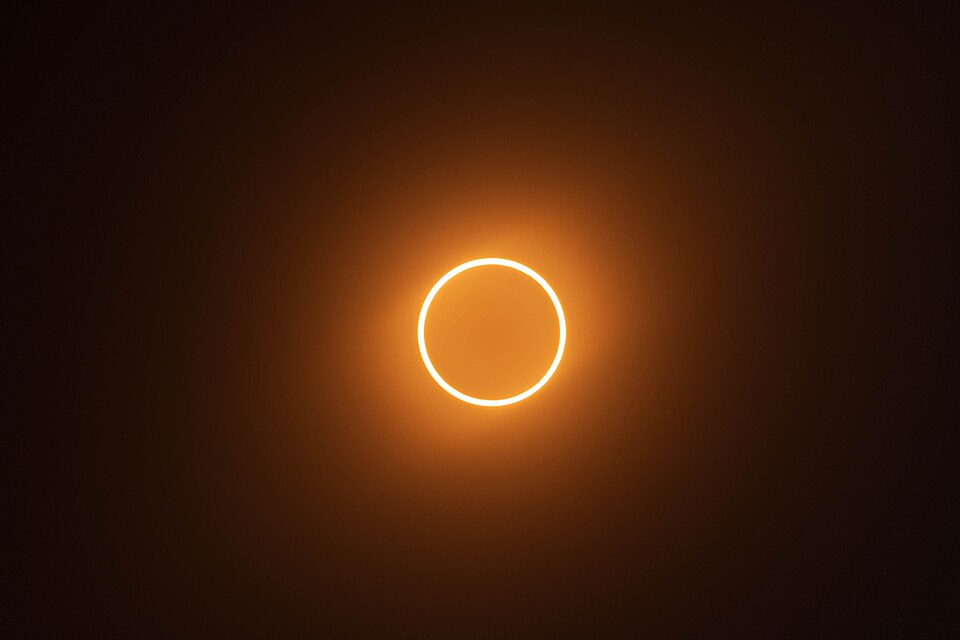
In an annular solar eclipse, the Moon does not fully cover the Sun. A bright ring remains visible. Feb 17, 2026
Over Antarctica Feb 6, 2027 — Visible in Chile, Argentina, and parts of West Africa Jan 26, 2028.
Crossing the Galápagos Islands and Spain These events create the famous “ring of fire” effect. Safe solar viewing glasses are required.
Total Solar Eclipses (Complete Darkness)
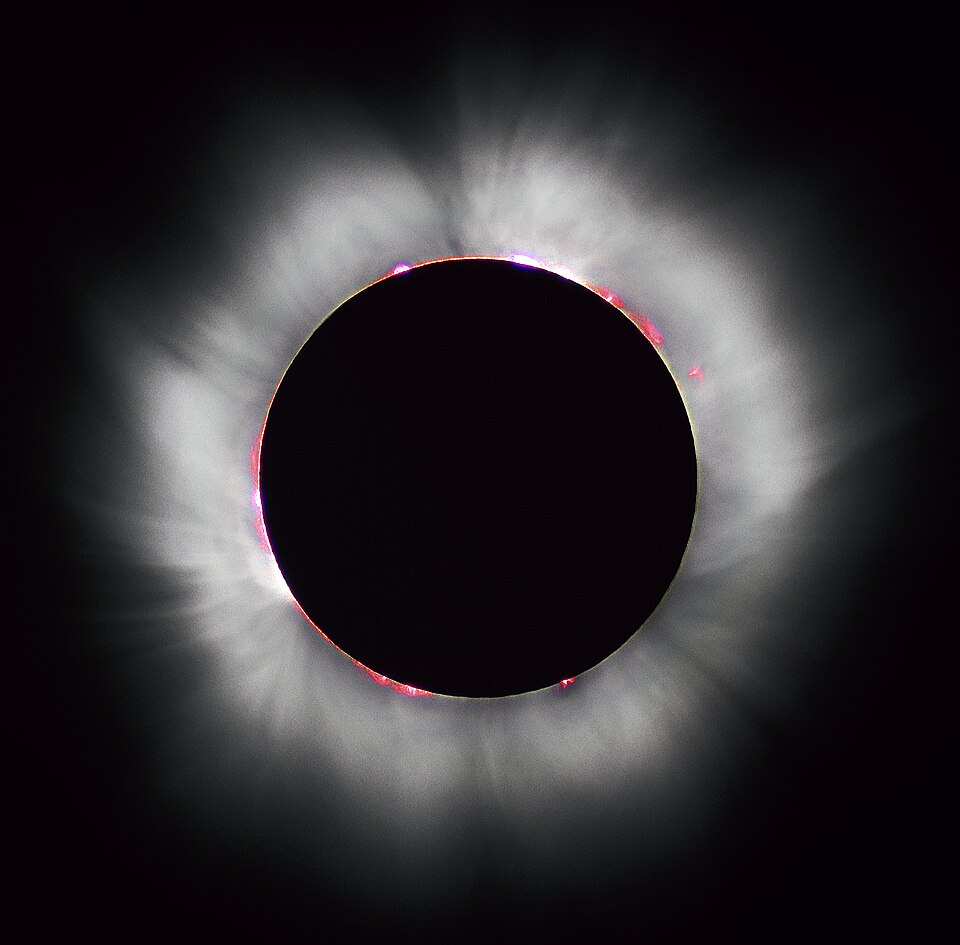
A total solar eclipse happens when the Moon fully blocks the Sun. Day turns into night for a few minutes.
- Aug 12, 2026 — Over Iceland, Greenland, and northern Spain
- Aug 2, 2027 — Over Spain, North Africa, and Egypt — with up to 6 minutes 23 seconds of totality
- Jul 22, 2028 — Over Australia and New Zealand
- The 2027 eclipse is expected to be one of the longest of the century. Long totality means more time to see the solar corona.
Why This Period Is Special
The last similar cluster happened between 2008 and 2010. But many paths crossed oceans.
This time, eclipses pass over accessible and iconic destinations. Europe, Africa, South America, and Oceania are all included.
- For eclipse chasers, this is rare.
- Three total solar eclipses.
- Three continents.
- Less than two years.
Travel and Viewing Tips
Always use certified eclipse glasses. Book travel early. Popular locations will fill fast. Check weather patterns before choosing a city. Arrive at least one day early.
Final Thoughts
The solar eclipse 2026–2028 series is not just an event. It is a once-in-a-generation opportunity. If you love astronomy, travel, or rare sky events, this is your moment.
Internal Links
- Astronomy & Space Topics
- Complete Guide to Solar Eclipse 2026–2028
- What Is a Saros Cycle? Simple Explanation
- Difference Between Total and Annular Solar Eclipse
- How Solar Eclipses Are Predicted
- History of Major Solar Eclipses in the 21st Century
- Solar Eclipse Safety Glasses Buying Guide
- Solar Eclipse Photography Tips for Beginners

External links
- NASA Eclipse Web Site, with information on future eclipses and eye safety information
- NASA Eclipse Web Site (older version)
- Eclipsewise, Fred Espenak’s new eclipse site
- Andrew Lowe’s Eclipse Page, with maps and circumstances for 5000 years of solar eclipses
- A Guide to Eclipse Activities for Educators, Explaining eclipses in educational settings
- Detailed eclipse explanations and predictions, Hermit Eclipse
- Eclipse Photography, Prof. Miroslav Druckmüller
- Animated maps of August 21, 2017 solar eclipses, Larry Koehn
- Five Millennium (−1999 to +3000) Canon of Solar Eclipses Database, Xavier M. Jubier

1 comment