In the Digital Age; Healthy Routine for Kids (Ages 8–18)

By a Physical Training & Child Development Perspective
In today’s digital age, mobile phones, tablets, and online games have become a major part of children’s daily lives. While technology is not inherently bad, excessive screen time is silently replacing physical movement, outdoor play, creativity, and real-world social interaction. This imbalance directly affects a child’s physical health, mental strength, emotional stability, and long-term discipline.
As a physical trainer and youth fitness mentor, I strongly believe that a child’s body and mind are designed to move, explore, and create, not to sit for hours scrolling or gaming. This article offers a practical, age-appropriate routine and realistic solutions for parents to help children (ages 8–18) grow into healthy, confident, and happy individuals.
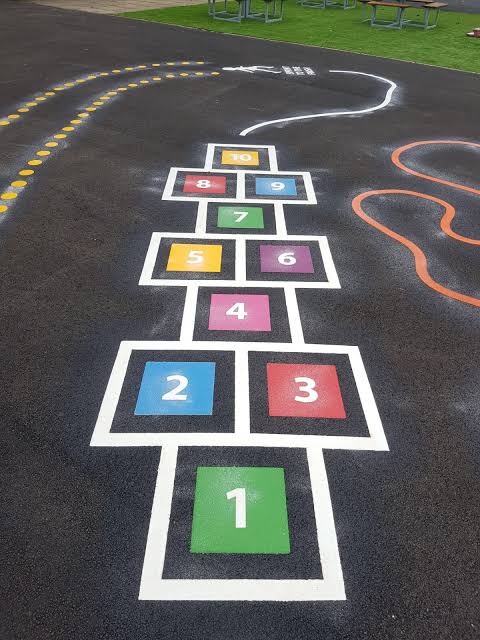
Why Physical Activity Is Essential for Children
Regular physical activity:
- Strengthens bones, muscles, and posture
- Improves brain function, memory, and focus
- Regulates emotions and reduces anxiety
- Builds discipline, confidence, and self-esteem
- Naturally balances dopamine levels (reducing phone addiction)
Excessive mobile use, especially gaming and short-form content, floods the brain with instant dopamine, making children restless, impatient, and less motivated for real-life tasks. Physical activity restores natural dopamine and serotonin, which are healthier and long-lasting.

Ideal Daily Routine for Children (8–18 Years)
Morning (6:00–8:00 AM)
- Wake up early (consistent sleep schedule)
- 10–15 minutes of stretching or light yoga
- 20–30 minutes of outdoor activity:
- Jogging
- Skipping rope
- Cycling
- Brisk walking with parents
School & Study Time (8:00 AM–2:00 PM)
- Balanced breakfast (protein + fruit)
- Encourage walking or cycling to school if possible
- Short movement breaks during study time
Afternoon (3:00–5:00 PM) – Prime Physical Activity Time
This is the most important slot.
Outdoor Games (Rotate Weekly):
- Cricket
- Football
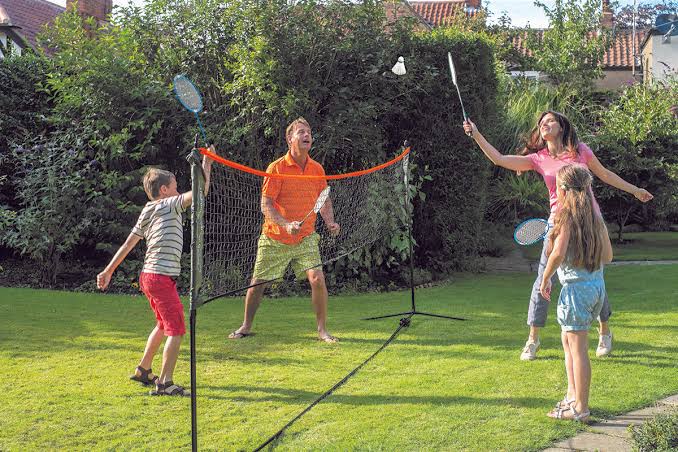
- Badminton
- Basketball
- Hockey
- Kho-Kho
- Kabaddi
- Floor is lava
Individual Physical Activities:
- Martial arts (Karate, Taekwondo)
- Swimming
- Athletics
- Skating
- Gymnastics



Evening (5:30–7:00 PM)
Creative & Productive Activities:
- Gardening (watering plants, planting seeds)
- Helping parents in household tasks
- Drawing, painting, writing
- Playing a musical instrument
Gardening teaches:
- Patience
- Responsibility
- Connection with nature
- Stress control
Screen Time Rules (Very Important)
- Ages 8–12: Maximum 1 hour/day
- Ages 13–18: Maximum 1.5–2 hours/day
Rules for screen usage:
- No screens before school
- No screens during meals
- No screens 1 hour before sleep
- No phone in bedroom at night
Night Routine (8:00–9:30 PM)
- Light dinner
- Family conversation (no phones)
- Reading books or journaling
- Sleep before 10:00 PM
Proper sleep is critical for growth hormones and mental health.

How Parents Can Reduce Phone Addiction
1. Be a Role Model
Children imitate parents. If parents are always on phones, children will follow. Reduce your own screen time first.
2. Replace, Don’t Just Remove
Don’t only say “Stop using your phone.” Instead say:
- “Let’s go for a walk.”
- “Let’s play badminton.”
- “Help me water the plants.”
3. Create Challenges & Rewards
- Weekly fitness challenges
- Sports performance charts
- Non-digital rewards (books, sports gear, outings)
4. Enroll Them in Sports Clubs
Structured training:
- Builds discipline
- Creates routine
- Gives healthy competition
5. Encourage Social Play
Invite friends over for outdoor games instead of online gaming.

Age-Wise Activity Focus

Ages 8–12:
- Fun-based games
- Basic coordination
- Free play
- No heavy training pressure
Ages 13–15:
- Skill development
- Strength using bodyweight
- Organized sports
Ages 16–18:
- Strength training (supervised)
- Endurance sports
- Leadership roles in teams

Mental Health Through Movement
Physical activity is one of the strongest natural antidepressants. Children who move daily:
- Sleep better
- Focus better
- Feel confident
- Handle stress maturely
Phones give temporary pleasure. Physical activity gives long-term happiness.

Final Advice to Parents
You don’t need to force children—you need to guide them. Start small, stay consistent, and make movement joyful, not a punishment.
A physically active child today becomes:
- A confident adult tomorrow
- A disciplined student
- A mentally strong human being
Healthy body = Healthy mind
Let’s raise a generation that plays outside, grows strong, and lives balanced—beyond screens.
Internal Links
>Healthy Daily Routine for Kids |
How to Reduce Screen Time for Children |
Best Physical Activities for Kids |
Outdoor Games for Healthy Child Development |
Benefits of Gardening for Kids |
Smart Parenting Tips in the Digital Age |
Mental Health Benefits of Exercise for Children
External Links
>World Health Organization – Physical Activity for Children |
CDC – Physical Activity Guidelines for Children |
UNICEF – Parenting & Child Development |
American Psychological Association – Kids & Screen Time |
KidsHealth – Fitness & Exercise for Children |
Sleep Foundation – Sleep Needs for Children & Teens |
NIH – Exercise & Mental Health


1 comment