Great China’s Sustainability: Green Initiatives and Goals
China’s Path to Sustainability: Green Initiatives and Goals
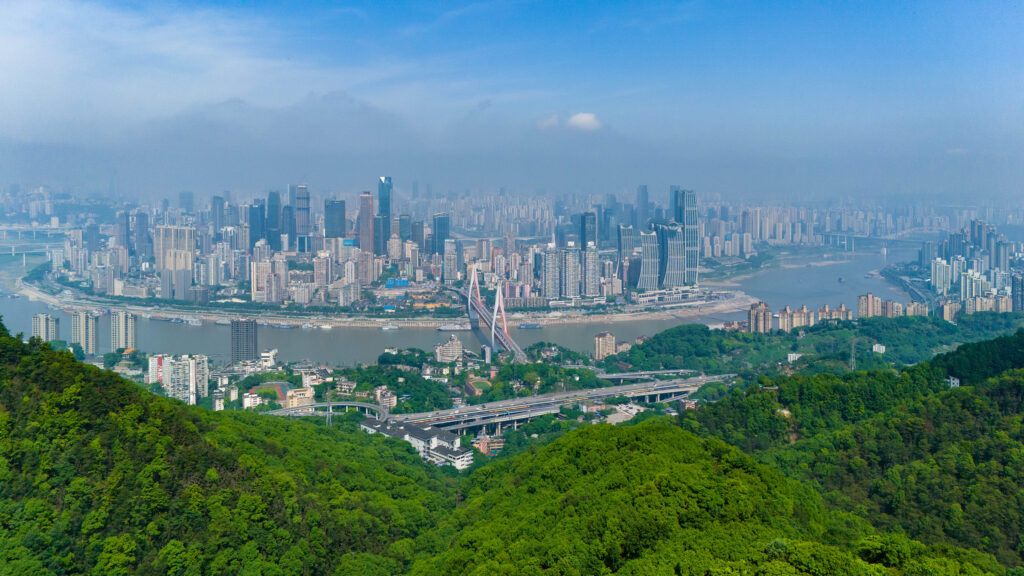
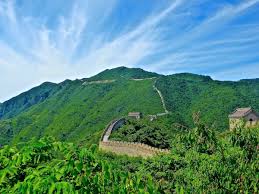
As the world grapples with pressing environmental challenges, China stands at a pivotal crossroads. With rapid industrial growth comes the responsibility of ensuring sustainable development. This blog delves into China’s environmental initiatives, highlighting the nation’s commitment to creating a greener, more sustainable future.
Current Environmental Challenges

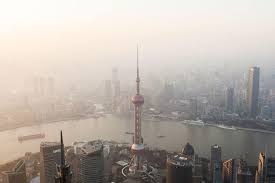
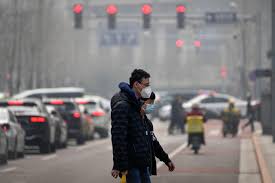
China faces daunting environmental challenges, including severe air quality issues, polluted water bodies, and significant biodiversity loss. Cities like Beijing and Shanghai often contend with hazardous smog levels, while waterways suffer from industrial waste disposal. Addressing these issues is crucial for both domestic well-being and global ecological stability.
Government Initiatives
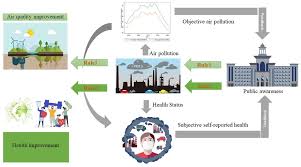
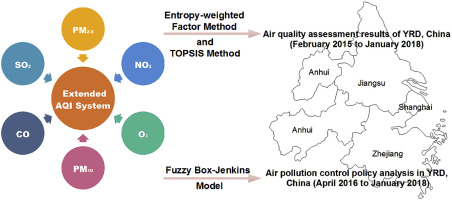
To combat these challenges, the Chinese government has launched various initiatives. One notable program, the “Beautiful China” initiative, seeks to enhance environmental quality across the nation. China’s ambitious goal of achieving carbon neutrality by 2060 shows its willingness to lead in sustainable practices. Policies are in place to reduce carbon emissions, promote green infrastructure, and invest in ecological protection.
Renewable Energy Investments

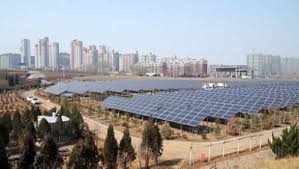
China is a global leader in renewable energy, investing heavily in solar, wind, and hydropower technologies. In 2022 alone, China installed over 70 gigawatts of solar capacity, further solidifying its status as the world’s largest solar producer. Innovations by companies like LONGi Green Energy are pushing the boundaries of technology, making green energy more accessible and affordable.
Waste Management and Circular Economy

In urban areas, waste separation and recycling initiatives are gaining traction. Government programs are encouraging a circular economy, where waste is minimized and materials are reused. Cities are implementing better waste management systems and educating citizens on sustainability practices, fostering a culture of recycling.
Community Involvement and Education
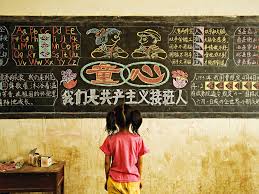
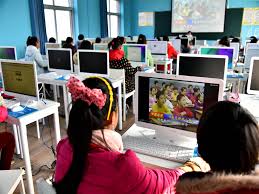
Grassroots movements and community-led environmental projects are becoming increasingly significant in China. Various NGOs actively engage citizens, promoting awareness and responsibility toward environmental protection. Educational programs aim to instill a sense of environmental stewardship among the youth, ensuring future generations prioritize sustainability.
International Collaborations
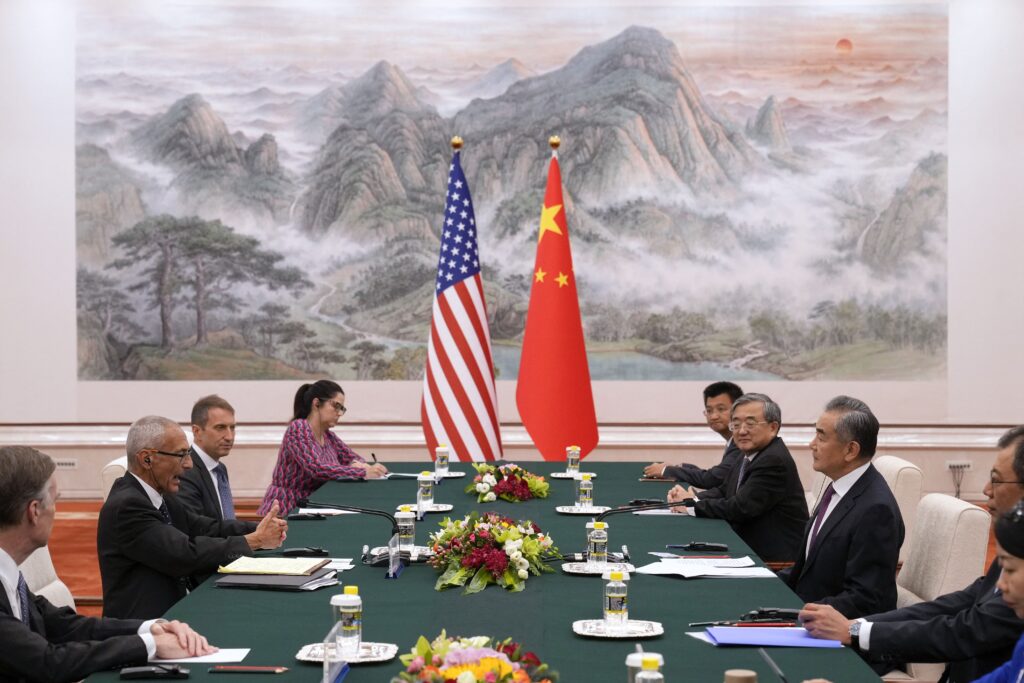
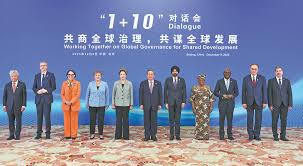
China is committed to global cooperation on environmental issues, participating in international agreements like the Paris Agreement. Collaborative efforts with organizations such as the United Nations Environmental Programme (UNEP) exemplify China’s dedication to tackling climate change on a global scale.
Conclusion
As China navigates its path toward sustainability, it emphasizes the importance of innovative policies and public engagement. The commitment to a greener future is not just a national endeavor but a global imperative. By fostering sustainable practices, China can pave the way for a brighter, more resilient planet. It’s time for all of us to contribute to environmental stewardship—together, we can make a difference.
References
- “Global Diplomacy Index – Country Rank”. Lowy Institute. Retrieved 26 February 2024.
- “Independent Foreign Policy of Peace”. fmprc.gov.cn. Retrieved 9 August 2021.
- “Ministry of Foreign Affairs of the People’s Republic of China”. Archived from the original on 23 February 2014. Retrieved 19 February 2015.
- Williams, David (8 January 2008). “China-Taiwan tussle in Bim politics”. BBC News. Archived from the original on 24 September 2015. Retrieved 13 July 2010.
Beijing and Taipei often trade insults over which is using “dollar diplomacy” in the form of offers of aid or cheap loans to curry influence around the world. The ‘One-China’ policy ensures that nations cannot have official relations with both China and Taiwan.
- Ninvalle, Pete (27 April 2007). “China halts St. Lucia work”. BBC News. Archived from the original on 15 September 2007. Retrieved 13 July 2010.
- Erikson, Daniel (8 January 2010). “China in the Caribbean: The New Big Brother”. Star Publishing Company. Retrieved 13 July 2010.
China’s overall strategy for the Caribbean has been driven by a desire to ensure the security of Chinese offshore financial holdings, woo countries with infrastructure projects and investment deals to ensure support for China in multilateral organizations, and promote the crucial “One China” policy to isolate Taiwan on the world stage.
[dead link] - Lee, Kristine (15 April 2020). “It’s Not Just the WHO: How China Is Moving on the Whole U.N.” Politico. Retrieved 15 October 2022.
- Ong, Andrew (2023). Stalemate: Autonomy and Insurgency on the China-Myanmar Border. Cornell University Press. ISBN 978-1-5017-7071-5. JSTOR 10.7591/j.ctv2t8b78b.
- Kang, David C. (2005). “Why China’s Rise Will Be Peaceful: Hierarchy and Stability in the East Asian Region”. Perspectives on Politics. 3 (3): 551–554. doi:10.1017/S1537592705270342. ISSN 1537-5927. JSTOR 3689029. S2CID 145193988.
- Zhang, Chuchu (2025). China’s Changing Role in the Middle East: Filling a Power Vacuum?. Changing Dynamics in Asia-Middle East Relations series. Abingdon, Oxon; New York, NY: Routledge. ISBN 978-1-032-76275-3.
Further reading
Library resources about
Foreign relations of China
- Alden, Christopher. China Returns to Africa: A Superpower and a Continent Embrace (2008)
- Amin, Nasser. “The dynamics of the Sino-Pakistani strategic partnership from its formation in the 1960s to the present” Journal of Contemporary Development & Management Studies 7 (2019): 51–66 online Archived 16 July 2020 at the Wayback Machine
- Bajpai, Kanti, Selina Ho, and Manjari Chatterjee Miller, eds. Routledge Handbook of China–India Relations (Routledge, 2020). excerpt
- Cohen, Warren I. America’s Response to China: A History of Sino-American Relations (2010) excerpt and text search
- Doshi, Rush. The Long Game: China’s Grand Strategy to Displace American Order (Oxford UP, 2021) online review
- Fenby, Jonathan. The Penguin History of Modern China: The Fall and Rise of a Great Power 1850 to the Present (3rd ed. 2019) popular history.
- Ferdinand, Peter. “Westward ho—the China dream and ‘one belt, one road’: Chinese foreign policy under Xi Jinping.” International Affairs 92.4 (2016): 941–957. online
- Fogel, Joshua. Articulating the Sino-sphere: Sino-Japanese relations in space and time (2009)
- Fravel, M. Taylor. Active Defense: China’s Military Strategy since 1949 (Princeton University Press, 2019) online reviews
- Garver, John W. China’s Quest: The History of the Foreign Relations of the People’s Republic (2nd ed. 2018) comprehensive scholarly history. excerpt
- Garver, John W. Protracted Contest: Sino-Indian Rivalry in the Twentieth Century’ (2001), post 1950
- Hu, Weixing (2019). “Xi Jinping’s ‘Major Country Diplomacy’: The Role of Leadership in Foreign Policy Transformation”. Journal of Contemporary China. 28 (115): 1–14. doi:10.1080/10670564.2018.1497904. S2CID 158345991.
- Lampton, David M. Following the Leader: Ruling China, from Deng Xiaoping to Xi Jinping (U of California Press, 2014).
- Lanuzo, Steve L. “The Impact of Political Liberalization on Sino Myanmar Cooperation” (Naval Postgraduate School, 2018) online Archived 28 July 2020 at the Wayback Machine.
- Liu, Guoli, ed., Chinese Foreign Policy in Transition. (Transaction, 2004). ISBN 0-202-30752-2
- Lu, Ning. The dynamics of foreign-policy decisionmaking in China (Routledge, 2018).
- Meijer, Hugo. Awakening to China’s Rise: European Foreign and Security Policies toward the People’s Republic of China (Oxford University Press, 2022) online review of this book
- Quested, Rosemary K.I. Sino-Russian relations: a short history (Routledge, 2014) online
- Ryan, Keegan D. “The Extent of Chinese Influence in Latin America” (Naval Postgraduate School, 2018) online Archived 14 July 2019 at the Wayback Machine.
- Sutter, Robert G. Historical Dictionary of Chinese Foreign Policy (2011) excerpt and text search
- Sutter, Robert G. Foreign Relations of the PRC: The Legacies and Constraints of China’s International Politics Since 1949 (Rowman & Littlefield; 2013) 355 pages excerpt and text search
- Swaine, Michael D. “Chinese views of foreign policy in the 19th party congress.” China Leadership Monitor 55 (2018). online re 2017 Congress
- Westad, Odd Arne. Restless Empire: China and the World Since 1750 (Basic Books; 2012) 515 pages; comprehensive scholarly history
- Woo, Hunje. “Increased Chinese Economic Influence and its Impact on the Changing Security Environment on the Korean Peninsula” (Naval Postgraduate School, 2018) online Archived 28 June 2020 at the Wayback Machine


8 comments