Beautiful Watermelon Snow: Nature’s Pink Alpine Mystery
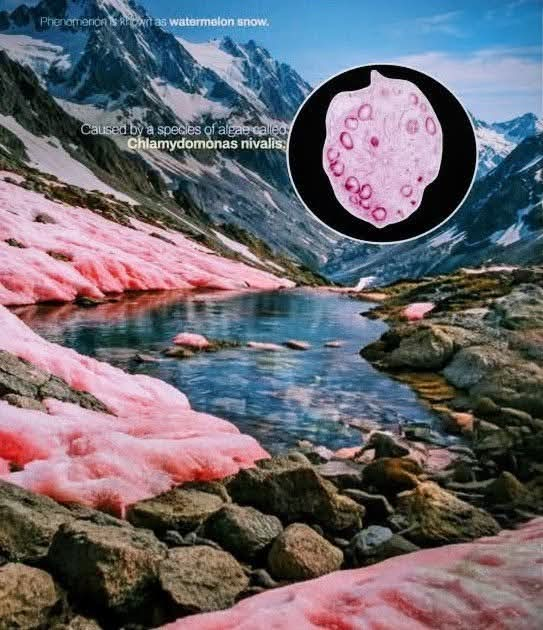
What Is Watermelon Snow?
Watermelon snow, also known as snow algae. It is a fascinating natural phenomenon where snow appears pink or red. This unusual coloration is caused by a cold-loving microalga called Chlamydomonas nivalis.
The pigment inside the algae, known as astaxanthin, gives the snow its distinctive rosy hue. This phenomenon is commonly found in alpine and polar regions during late spring and summer when temperatures rise and snow begins to melt.
The Science Behind the Pink Color
Chlamydomonas nivalis thrives in freezing conditions. When exposed to intense sunlight, it produces a red carotenoid pigment (astaxanthin) to protect itself from ultraviolet radiation.
As the algae multiply, they tint large patches of snow pink or even deep red. Interestingly, watermelon snow may sometimes emit a faint sweet scent, similar to watermelon — which inspired its name.
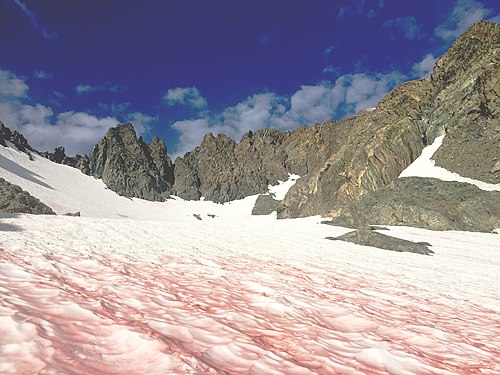
Where Does Watermelon Snow Occur?
Watermelon snow has been observed in: The Rocky Mountains The Alps The Himalayas Arctic and Antarctic regions It typically appears at high elevations where snow persists into warmer months.
Environmental Impact on Glaciers
Although visually stunning, watermelon snow has serious environmental implications. The darker pigment reduces the snow’s albedo effect (its ability to reflect sunlight).
- As a result: Snow absorbs more heat
- Melting accelerates
- Glacier retreat speeds up.
- This creates a cycle where melting snow provides more water for algae growth.
- Further increasing melt rates — a concerning feedback loop linked to climate change.
Is Watermelon Snow Safe?
While not highly toxic, experts advise against eating watermelon snow. The algae can contain microorganisms and pollutants that may cause stomach discomfort.
Why It Matters
Watermelon snow is more than just a colorful curiosity. It’s a visible indicator of changing environmental conditions. Scientists study it to better understand:
- Climate warming effects
- Glacier health
- Microbial ecosystems in extreme environments
As global temperatures rise, occurrences of snow algae blooms may become more frequent and widespread.
Final Thoughts
Watermelon snow is a breathtaking reminder that nature is full of surprises. However, its beauty also highlights the fragile balance of alpine ecosystems and the urgent need for climate awareness.
References
- Armstrong, W.P. 1999. “Watermelon Snow: A Strange Phenomenon Caused by Algal Cells of The Chlorophyta” Archived 2006-04-12 at the Wayback Machine Wayne’s Word Noteworthy Plants: Aug 1998. (24 April 2006).
Notes
- William E. Williams; Holly L. Gorton & Thomas C. Vogelmann (January 21, 2003). “Surface gas-exchange processes of snow algae”. Proceedings of the National Academy of Sciences of the United States of America. 100 (2): 562–566. Bibcode:2003PNAS..100..562W. doi:10.1073/pnas.0235560100. PMC 141035. PMID 12518048.

Microbiology & Scientific Phenomena
- Extremophiles: Life in Extreme Cold Environments
- /extremophiles-in-cold-environments
- The Science Behind Snow Algae Blooms
- /science-of-snow-algae-blooms
- Astaxanthin: The Protective Pigment Explained
- /astaxanthin-pigment-explained
- Microorganisms That Thrive in Ice and Snow
- /microorganisms-in-ice-and-snow
Climate & Environmental Research
- Impact of Climate Change on Glaciers
- /impact-of-climate-change-on-glaciers
- Understanding the Albedo Effect and Global Warming
- /albedo-effect-and-global-warming
- How Rising Temperatures Affect Polar Ecosystems
- /rising-temperatures-polar-ecosystems
- Glacier Melting: Causes, Effects, and Solutions
- /glacier-melting-causes-effects-solutions
Post Comment