10 Powerful Nutrient Wild Plants for Muscle Health
1. Dandelions

Dandelion leaves and roots are rich in potassium, magnesium, and calcium. These essential minerals regulate neuromuscular contraction and prevent muscle cramping after exertion.

Muscle-Supporting Nutrients
Potassium, Calcium, Magnesium, Iron.
Key Benefits: Supports fluid balance, reduces fluid retention around joints, and provides vital electrolytes for muscle activation.
How to Consume: Add fresh young leaves to salads or steep dried dandelion root as a mineral-rich tea.
2. Chickweed
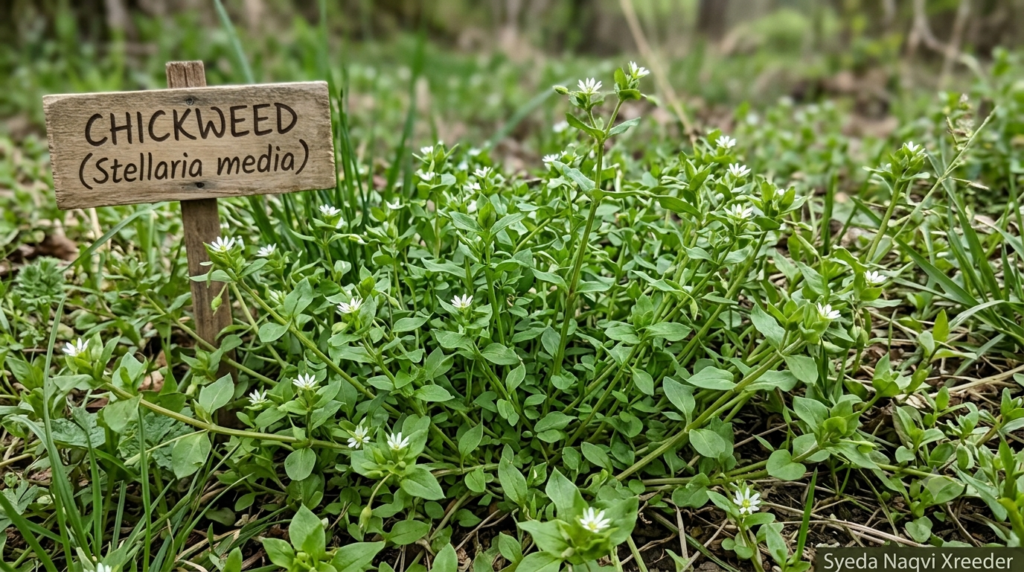
It is a tender, wild green packed with trace minerals and anti-inflammatory saponins. It delivers vital nutrients that assist in systemic recovery after physical activity.
Muscle-Supporting Nutrients
Vitamin C, Zinc, Manganese, Iron, Calcium.
Promotes tissue recovery, enhances nutrient absorption, and helps soothe exercise-induced inflammation.
How to Consume:
Eat raw in fresh salads, blend into green smoothies, or mix into pestos.
3. Wild Oats & Oat Straw
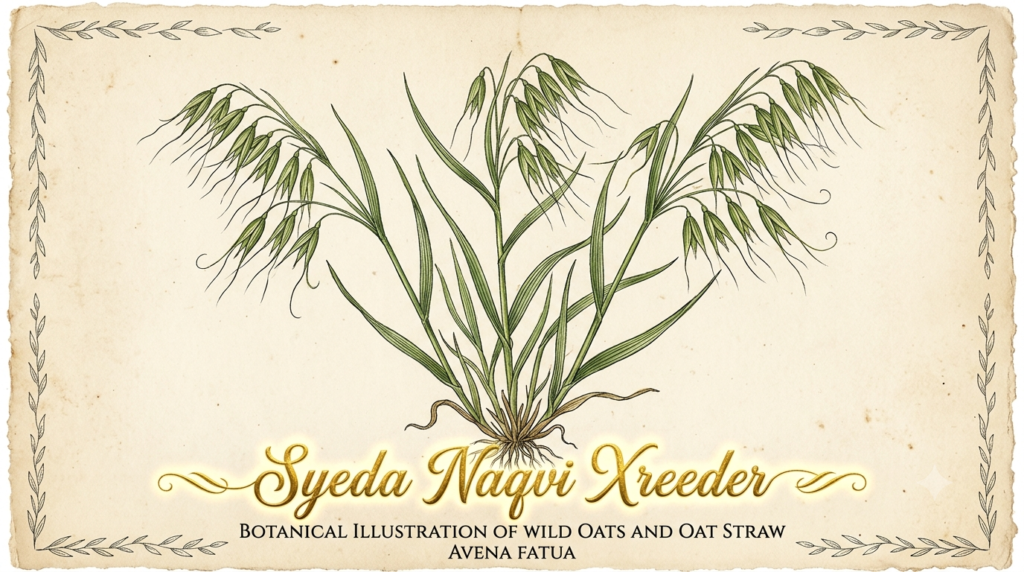
Wild oats and oat straw deliver silica, zinc, and specialized antioxidants called avenanthramides. They help support nervous system health and connective tissue endurance.
Muscle-Supporting Nutrients:
Silica, B-Complex Vitamins, Magnesium, Protein.
Key Benefits:
Supporting the nerve-to-muscle signaling pathway, strengthens connective tendons, and aids restful sleep needed for muscle repair.
How to Consume: Steep oat straw tops in hot water for a nourishing herbal infusion or tonic.
4. Hemp Seeds
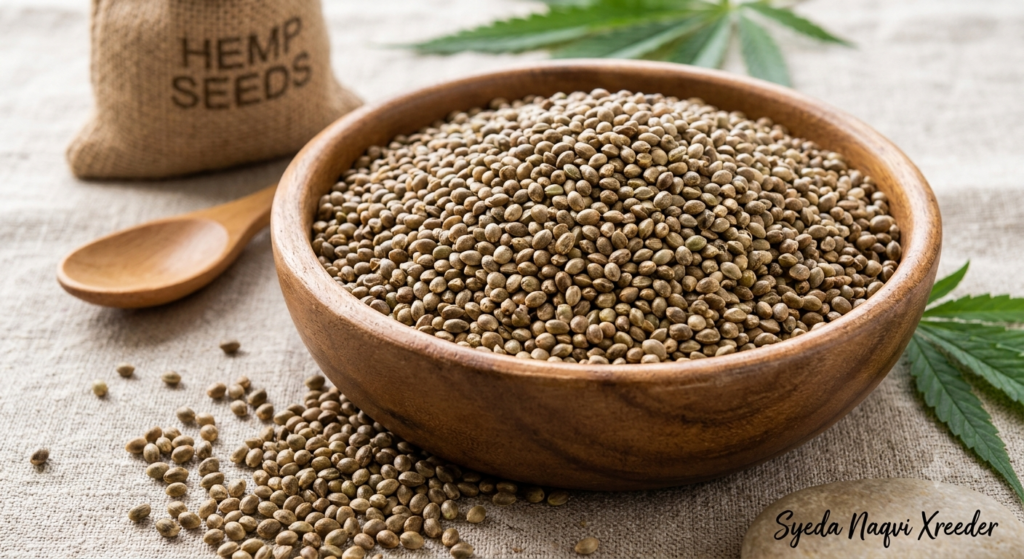
Hemp seeds rank among the few complete plant protein sources. They contain all nine essential amino acids required for muscle protein synthesis.
Muscle-Supporting Nutrients: Complete Protein, Edestin, Omega-3 Fatty Acids, Magnesium.

Key Benefits: Directly fuels muscle building, lowers post-workout inflammation, and aids cardiovascular circulation.
How to Consume: Sprinkle shelled hemp hearts over oatmeal, yogurt, or fresh green salads.
5. Lamb’s Quarters
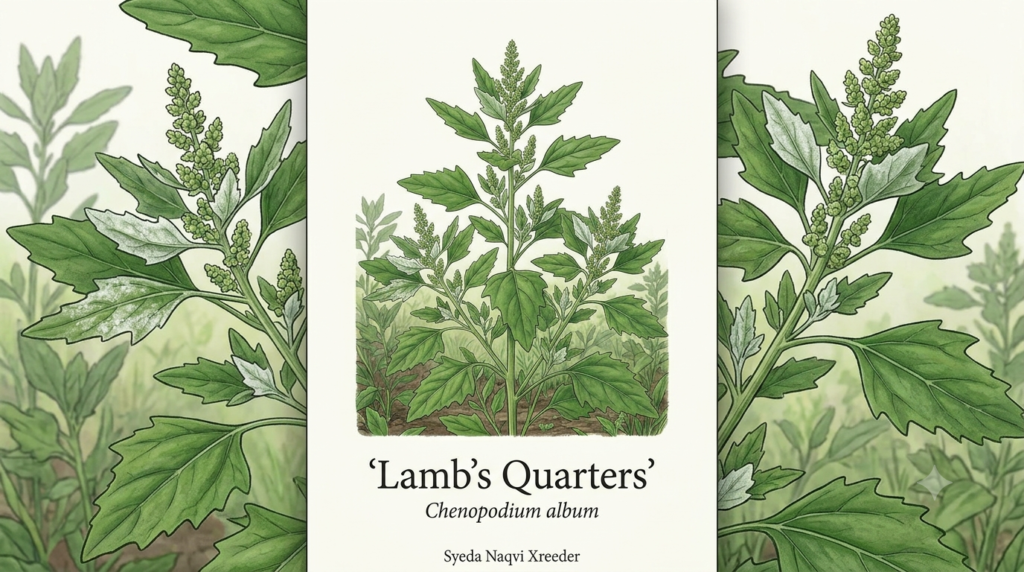
Lamb’s quarters is a prolific wild plant that yields more protein, calcium, and iron per serving than cultivated spinach.
Muscle-Supporting Nutrients: High-density Protein, Iron, Vitamin A, Vitamin C, Calcium. Key Benefits: Supports cellular energy production, hemoglobin levels, and oxygen transport to working muscle tissues.
How to Consume: Steamed, sauteed with garlic, or substituted for spinach in hot dishes.
6. Wild Amaranth
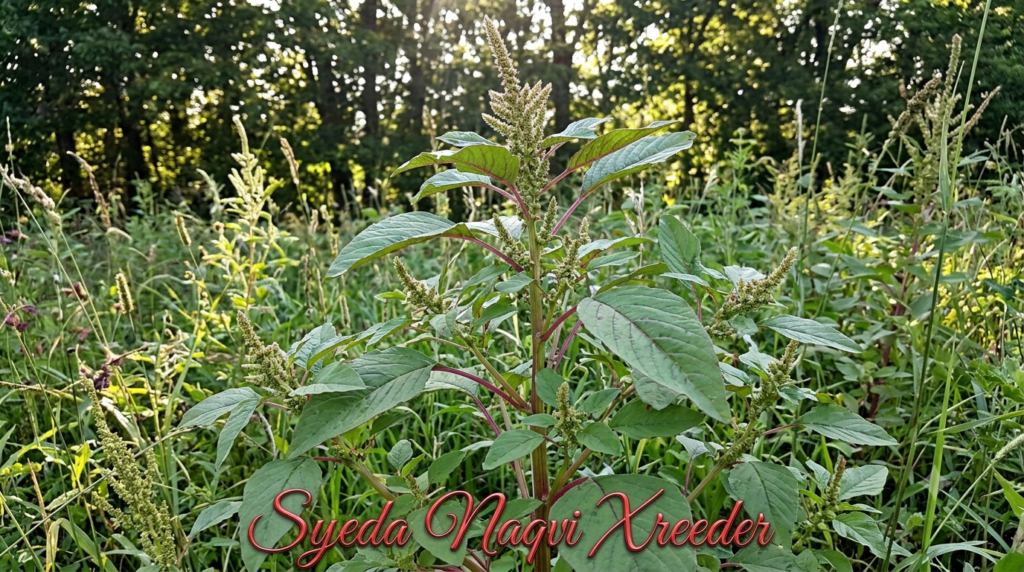
Wild amaranth produces protein-rich leaves alongside pseudograin seeds containing lysine, an amino acid often lacking in plant foods.
Muscle-Supporting Nutrients: Lysine, Protein, Calcium, Phosphorus.
Key Benefits:Facilitates muscle tissue repair, supports bone matrix density, and aids collagen synthesis.
How to Consume: Cook young leaves like greens, or pop and boil the tiny seeds as a hot cereal.
7. Lentils
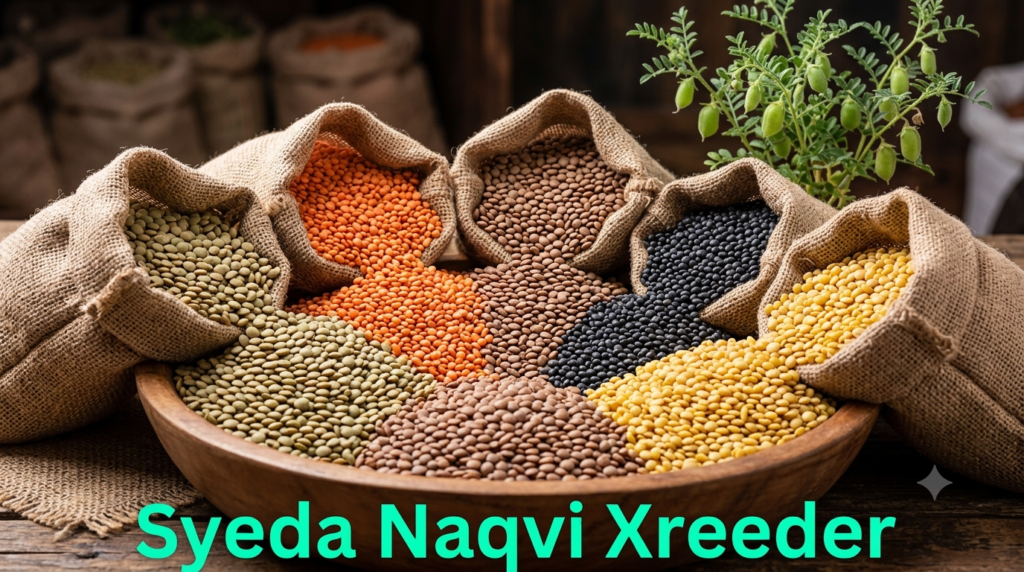
Lentils are accessible legumes loaded with complex carbohydrates, dietary fiber, and concentrated protein needed for repair after exercise.
Muscle-Supporting Nutrients: Plant Protein, Branched-Chain Amino Acids (BCAAs), Folate, Potassium.
Key Benefits: Sustains steady glycogen restoration without spiking blood glucose, supporting sustained energy.
How to Consume: Add cooked brown, green, or red lentils to soups, stews, and grain bowls.
8. Moringa

Often called the “miracle tree,” moringa leaves provide a rich profile of vitamins, antioxidants, and protein essential for older adults.
Muscle-Supporting Nutrients: Essential Amino Acids, Leucine, Antioxidants, Iron.
Key Benefits: Supplies leucine—the primary trigger for muscle protein synthesis—and counters oxidative muscle stress.
How to Consume: Stir leaf powder into smoothies, warm broths, or tea preparations.
9. Watercress

Watercress is a peppery aquatic plant high in natural dietary nitrates, which improve vascular health and blood flow.
Muscle-Supporting Nutrients: Dietary Nitrates, Vitamin K, Calcium, Vitamin C.
Key Benefits: Increases nitric oxide levels, expanding blood vessels to improve oxygen delivery directly to skeletal muscles.
How to Consume: Use fresh in sandwiches, salads, or pureed into nutrient-dense soups.
10. Purslane
Purslane is a resilient succulent containing high concentrations of alpha-linolenic acid (ALA), a plant-based omega-3 fatty acid.
Muscle-Supporting Nutrients: Omega-3 Fatty Acids, Glutathione, Potassium, Magnesium.
Key Benefits: Protects muscle cell membranes from degradation, decreases joint soreness, and improves cellular hydration.
How to Consume: Enjoy raw in fresh summer salads or stir into soups near the end of cooking.Integrating these nutrient-rich wild plants and whole foods into a balanced daily routine can help support muscle retention, mobility, and overall vitality well past 40s to 60.

References
- Howard, M. (1987). Traditional Folk Remedies: A Comprehensive Herbal. Century paperbacks (in German). Century. ISBN 978-0-7126-1731-4. Retrieved 2024-08-13.
External links
- The dictionary definition of herbalism at Wiktionary

Post Comment