Great China’s Development: From Poverty to Power
Introduction:
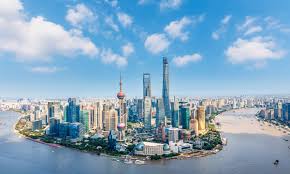
China’s development story is one of the most remarkable transformations in modern history. In just four decades, China has moved from widespread poverty to becoming the world’s second-largest economy. Its rapid industrialization, technological advancement, and global expansion have reshaped international markets and geopolitical dynamics.
This blog explores how China achieved this growth, the key sectors driving its progress, and what the future holds.
1. Historical Background: The Turning Point
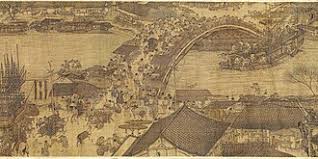
China’s economic transformation began in 1978 under Deng Xiaoping’s leadership. Before this period, China followed a strict centrally planned economic model. The introduction of economic reforms and the “Open Door Policy” shifted China toward a market-oriented system while maintaining political control.
Key reforms included:
- Decollectivization of agriculture
- Establishment of Special Economic Zones (SEZs)
- Encouragement of foreign direct investment (FDI)
- Expansion of private enterprises
These policies laid the foundation for sustained economic growth.
2. Industrial Growth and Manufacturing Power
China became known as the “World’s Factory.” Its manufacturing sector expanded rapidly due to:
- Cheap labor costs
- Strong government support
- Export-oriented policies
- Massive infrastructure investments
Today, China leads in steel production, electronics, textiles, and consumer goods manufacturing. It plays a critical role in global supply chains.
3. Infrastructure Development: Building at Scale
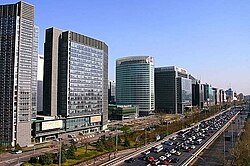
China’s infrastructure growth is unmatched. The country has invested heavily in:
- High-speed rail networks (largest in the world)
- Mega airports and seaports
- Smart cities
- Advanced highway systems
The Belt and Road Initiative (BRI) further extended China’s infrastructure investments across Asia, Africa, and Europe, increasing its global economic influence.
4. Technological Advancement and Innovation
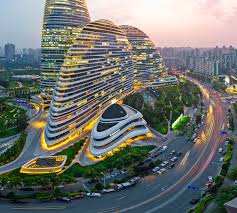
China is no longer just a manufacturing hub—it is now a leader in innovation.
Key areas of growth:
- Artificial Intelligence (AI)
- 5G technology
- E-commerce and digital payments
- Renewable energy
- Electric vehicles
Companies like Huawei, Alibaba, Tencent, and BYD have positioned China as a technological powerhouse.
5. Poverty Reduction and Urbanization
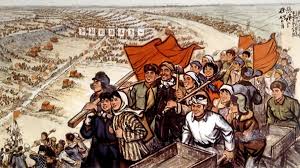
One of China’s most significant achievements is lifting over 800 million people out of extreme poverty, according to World Bank data.
Rapid urbanization has transformed rural areas into modern cities. Today, more than 60% of China’s population lives in urban areas, contributing to economic productivity and modernization.
6. Challenges Facing China

Despite impressive growth, China faces several challenges:
- Aging population
- Environmental pollution
- Rising debt levels
- Trade tensions with the United States
- Real estate market instability
Addressing these issues will determine the sustainability of China’s development.
7. China’s Global Iacing
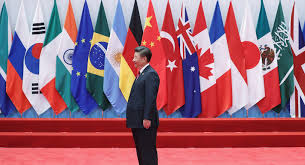
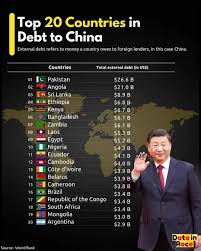
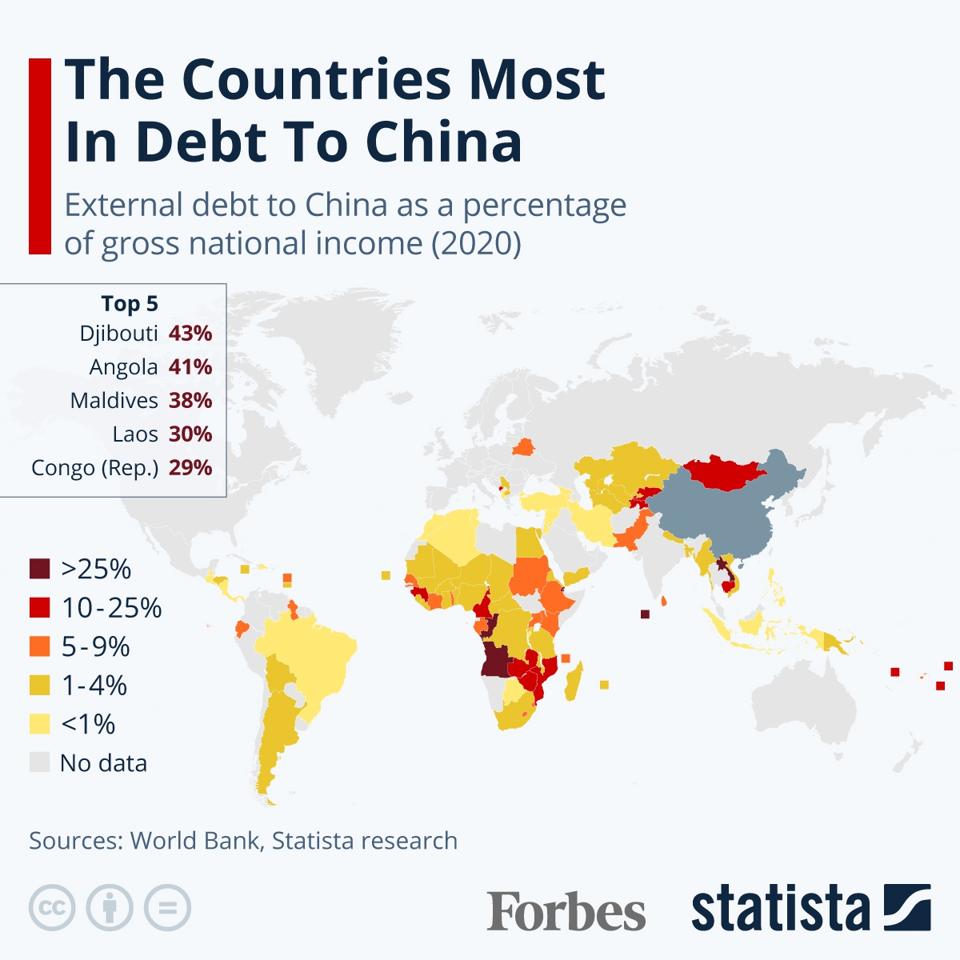
China’s development has reshaped global politics and economics. It is:
- A permanent member of the UN Security Council
- A leading trading partner for over 120 countries
- A major investor in developing nations
- Expanding its soft power through media and education
China’s role in global governance continues to grow.
Conclusion
China’s development journey is a case study in strategic planning, long-term policy implementation, and economic discipline. From a largely agrarian society to a global economic powerhouse, China’s rise has influenced every corner of the world.
However, its future growth will depend on balancing innovation, sustainability, and geopolitical stability. Whether China becomes the world’s leading superpower remains to be seen—but its impact on the 21st century is undeniable.

See also

- Bamboo network
- Beijing Consensus
- Central Financial Work Commission
- China Securities Regulatory Commission
- China Beijing Equity Exchange
- China Circle
- China Economic Databases
- Dual circulation
- E-commerce in China
- Economy of the Han dynasty
- Economy of the Ming dynasty
- Economy of the Song dynasty
- Grasping the large, letting go of the small
- Group buying
- Guo jin min tui
- Hukou
- Imperial Bank of China
- Leading stocks
- List of companies of China
- List of largest Chinese companies
- Oil shale in China
- Panda bonds
- Rural credit cooperative
- Silk Road
- Township and Village Enterprises
- Three Rural Issues
- Yangtze Delta
Notes
- Higher income inequality is partly driven by unequal regional income distribution.
- GDP figures exclude Taiwan, and the special administrative regions of Hong Kong and Macau
- China had a hundred million wealthy people (each owning a net wealth of over US$110,000) and the US 99 million. At US$63.8 trillion as of end of 2019, representing a 17-fold increase from US$3.7 trillion in 2001, the total amount of China’s household wealth stood behind only that of the US with US$105.6 trillion.
References
- “World Economic Outlook Database, October 2023 Edition. (China)”. IMF.org. International Monetary Fund. 22 October 2024. Archived from the original on 20 October 2023. Retrieved 11 November 2024.
- “World Bank Country and Lending Groups – World Bank Data Help Desk”. datahelpdesk.worldbank.org. Archived from the original on 28 October 2019. Retrieved 4 January 2024.
- “World Bank Country and Lending Groups”. datahelpdesk.worldbank.org. World Bank. Archived from the original on 21 August 2016. Retrieved 29 September 2019.
- “World Economic Outlook database: October 2024”. imf.org. International Monetary Fund. Retrieved 4 November 2024.
- “IMF DataMapper: China”. International Monetary Fund. Retrieved 31 October 2025.
- “National Data”. National Bureau of Statistics of China. 1 March 2022. Archived from the original on 11 August 2021. Retrieved 23 March 2022.
- “World Economic Outlook database: October 2024”. imf.org. International Monetary Fund. Archived from the original on 25 June 2024. Retrieved 11 November 2024.
- “Poverty headcount ratio at $8.30 a day (2021 PPP) (% of population) – China”. data.worldbank.org. World Bank. Retrieved 23 June 2025.
- “Gini index – China”. World Bank. Archived from the original on 19 March 2024. Retrieved 24 May 2022.
- “Human Development Index and its components” (PDF). United Nations Development Programme. 6 May 2025. Retrieved 10 May 2025.
- “CPI 2024”. Transparency International. 11 February 2025. Retrieved 14 February 2025.
- “Labor force, total – China”. data.worldbank.org. World Bank & ILO. Archived from the original on 11 November 2019. Retrieved 22 September 2020.


9 comments