Powerful Insights from Hasil Ghat Book Review
بانو قدسیہ کی کتاب “حاصل گھاٹ” پر تنقیدی جائزہ
Critical Review of Hasil Ghat by Bano Qudsia
A Profound Reflection on Human Greed and Spiritual Decline
Introduction
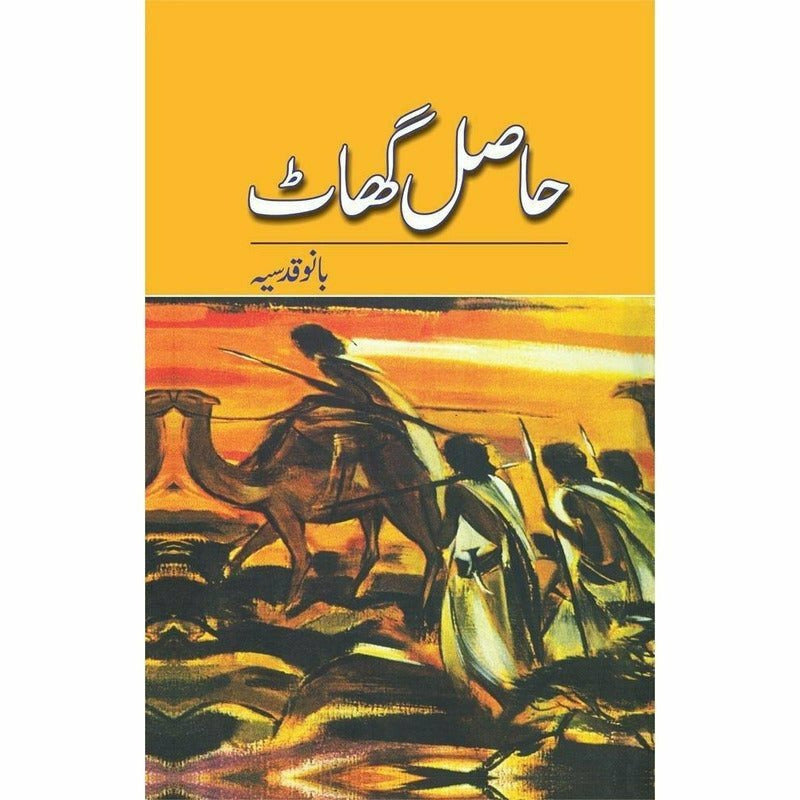
Hasil Ghat is one of the mostought-provoking novels written by the legendary Pakistani writer Bano Qudsia. Known for her deep psychological insight and spiritual themes, Bano Qudsia once again explores the fragile nature of human desires, moral decay, and the illusion of worldly success in this remarkable novel.
Hasil Ghat is not just a story; it is a mirror reflecting society’s obsession with material gain and the ultimate loss of spiritual peace.
Overview of the Novel
The title Hasil Ghat literally translates to “The Shore of Gain” or “The Destination of Achievement.”
However, the novel questions what true “hasil” (gain) really means. Is success measured by wealth, power, and social status, or by inner contentment and spiritual fulfillment? Through powerful characters and symbolic storytelling, Bano Qudsia presents a society trapped in ambition and competition. The novel revolves around individuals who chase worldly achievements but gradually lose their moral and emotional balance.
Major Themes in Hasil Ghat
1. Materialism vs Spirituality
One of the central themes of Hasil Ghat is the conflict between material success and spiritual peace. Bano Qudsia critiques modern society’s blind pursuit of wealth, showing how it creates emotional emptiness.
2. Moral Decline
The novel highlights how ambition often leads to ethical compromises. Characters sacrifice relationships, honesty, and compassion in their pursuit of success.
3. Psychological Complexity
Like her famous novel Raja Gidh, Bano Qudsia dives deep into human psychology. She portrays how guilt, insecurity, and greed shape human behavior.
4. Illusion of Success
The novel questions whether external achievements truly bring happiness. Many characters reach their “hasil ghat” only to realize that they have lost something far more valuable.
Writing Style and Narrative
Technique Bano Qudsia’s writing in Hasil Ghat is philosophical yet accessible. Her narrative style blends realism with symbolism. The dialogues are meaningful and layered with deeper insights about life, society, and faith.
Her ability to analyze human nature and societal norms makes the novel intellectually engaging. She does not preach directly but allows readers to reflect and draw their own conclusions.
Critical Analysis
While Hasil Ghat is rich in ideas and moral questioning, some readers may find its philosophical tone slow-paced. The novel focuses more on introspection than dramatic action. However, this very quality makes it powerful for readers who appreciate literary depth.
Bano Qudsia successfully exposes the hollow foundation of materialistic ambition. The novel serves as a warning that success without ethics leads to spiritual bankruptcy.
Why Hasil Ghat is Still Relevant
Today In today’s fast-paced world, where social status and financial achievement dominate personal identity, Hasil Ghat remains highly relevant.
The novel resonates strongly with modern readers who struggle between career ambitions and personal values. Its message encourages self-reflection: What are we truly gaining in life?
Conclusion
Hasil Ghat by Bano Qudsia is a profound literary work that challenges societal norms and questions the definition of success.
Through psychological depth and spiritual insight, the novel leaves a lasting impact on readers. For anyone interested in Urdu literature, philosophy, or social criticism, Hasil Ghat is a must-read masterpiece that continues to inspire reflection and debate.
تعارف
بانو قدسیہ اردو ادب کی ممتاز ناول نگار اور دانشور تھیں ۔جنہوں نے انسانی نفسیات، روحانیت اور معاشرتی اقدار کو اپنی تحریروں کا موضوع بنایا۔ “حاصل گھاٹ” ان کی ایک فکری اور روحانی نوعیت کی تصنیف ہے جس میں وہ زندگی کے نشیب و فراز، انسان کی باطنی کیفیت اور کامیابی و ناکامی کے حقیقی مفہوم پر گفتگو کرتی ہیں۔
موضوع اور فکر
“حاصل گھاٹ” بنیادی طور پر انسانی زندگی کے حاصل اور نقصان کے تصور کو واضح کرتی ہے۔ بانو قدسیہ اس کتاب میں یہ سوال اٹھاتی ہیں کہ انسان اپنی زندگی میں اصل میں کیا حاصل کرتا ہے؟ دولت، شہرت اور مادی کامیابیاں یا روحانی سکون، اخلاقی اقدار اور باطنی طمانیت؟ مصنفہ کے نزدیک اصل “حاصل” وہ ہے جو انسان کی روح کو سنوار دے۔ وہ دنیاوی کامیابیوں کو عارضی قرار دیتی ہیں اور روحانی بالیدگی کو حقیقی کامیابی سمجھتی ہیں۔ اس کتاب میں تصوف اور اسلامی فکر کی جھلک نمایاں نظر آتی ہے۔
اسلوبِ تحریر
بانو قدسیہ کا اسلوب سادہ مگر پراثر ہے۔ وہ پیچیدہ فلسفیانہ نکات کو عام فہم انداز میں بیان کرتی ہیں۔ تحریر میں مکالماتی انداز بھی ہے جو قاری کو سوچنے پر مجبور کرتا ہے۔ مثالوں اور واقعات کے ذریعے وہ اپنے خیالات کو مؤثر بناتی ہیں۔ ان کی زبان میں شائستگی، روانی اور فکری گہرائی پائی جاتی ہے۔ کہیں کہیں نصیحت کا انداز بھی غالب آ جاتا ہے، مگر وہ براہِ راست وعظ کرنے کے بجائے فکری رہنمائی فراہم کرتی ہیں۔
کردار نگاری
اور تجزیہ اگرچہ “حاصل گھاٹ” مکمل طور پر ناول نہیں بلکہ فکری مضامین اور تاثرات کا مجموعہ ہے، پھر بھی اس میں بیان کیے گئے افراد اور معاشرتی کردار ہمارے اردگرد کے لوگوں کی عکاسی کرتے ہیں۔ مصنفہ نے انسانی کمزوریوں، حسد، لالچ، انا اور خودغرضی کو نہایت حقیقت پسندانہ انداز میں بیان کیا ہے۔
تنقیدی پہلو
تنقیدی اعتبار سے دیکھا جائے تو کتاب میں بعض مقامات پر خیالات کی تکرار محسوس ہوتی ہے۔ مزید یہ کہ جدید دور کے تقاضوں اور عملی مسائل پر نسبتاً کم روشنی ڈالی گئی ہے۔ تاہم، اس کی فکری گہرائی اور روحانی بصیرت ان کمزوریوں پر غالب آ جاتی ہے۔
نتیجہ
“حاصل گھاٹ” ایک فکری اور روحانی کتاب ہے جو قاری کو اپنی زندگی کا جائزہ لینے پر آمادہ کرتی ہے۔ یہ کتاب محض مطالعہ کے لیے نہیں بلکہ غور و فکر کے لیے ہے۔ بانو قدسیہ نے اس تصنیف کے ذریعے انسان کو اس کے اصل مقصدِ حیات کی یاد دہانی کروائی ہے۔ یہ کتاب اُن قارئین کے لیے خاص طور پر مفید ہے جو زندگی کے معنی اور روحانی سکون کی تلاش میں ہیں۔

References
- Shahzad, Muhammad (5 February 2017). “Literary giant Bano Qudsia dies at 88”. The Express Tribune. Retrieved 16 June 2018.
- “Names of civil and military award achievers”. The Financial Daily. Archived from the original on 6 February 2017. Retrieved 16 June 2018.
- Bari, Mavra (27 September 2012). “Honour: Lifetime achievement award for Bano Qudsia”. The Express Tribune. Retrieved 16 June 2018.
- Parekh, Rauf (18 July 2015). “Literary notes : May they live longer – oldest living authors of Urdu”. Dawn. Retrieved 5 February 2017.
- “Bano Qudsia’s ‘Raja Gidh’ inspires audience”. RSPK Pak Society.


2 comments